By the Perth Concrete Driveways team
Published 6 June 2026
AI Overview
Poor drainage is one of the most common hidden causes of concrete driveway damage. Water that pools or washes out the base leads to cracking, sinking and erosion over time. Spotting drainage problems early and fixing the cause protects the whole driveway.
Key highlights
- common warning signs of drainage issues
- causes of standing water and slab movement
- the importance of proper grading and preparation
- how driveway drainage grates and channel drains help control runoff
- practical solutions for flooded driveway drainage problems
- why drainage for driveway construction should always be planned properly
Summarise with AI
Driveway drainage problems are one of the main causes of cracked, uneven, and prematurely damaged concrete driveways across Perth. When water cannot drain away properly, it weakens the soil underneath the slab, creates movement beneath the concrete, and increases long-term deterioration.
Perth conditions can make these issues worse, especially with reactive soils and heavy winter rain. Proper driveway drainage, correct falls, and good site preparation all play a major role in how well a driveway performs over time.
Key Takeaways
The main points covered in this guide include:
- common warning signs of drainage issues
- causes of standing water and slab movement
- the importance of proper grading and preparation
- how driveway drainage grates and channel drains help control runoff
- practical solutions for flooded driveway drainage problems
- why drainage for driveway construction should always be planned properly
How Poor Driveway Drainage Causes Damage
Driveway drainage affects far more than just surface water. Poor water management can damage the concrete itself, weaken the supporting ground underneath, and create ongoing structural movement over time.
Many driveway problems that appear to be surface-related actually begin below the slab. Once moisture starts affecting the supporting soil, cracking, sinking, and movement usually follow.
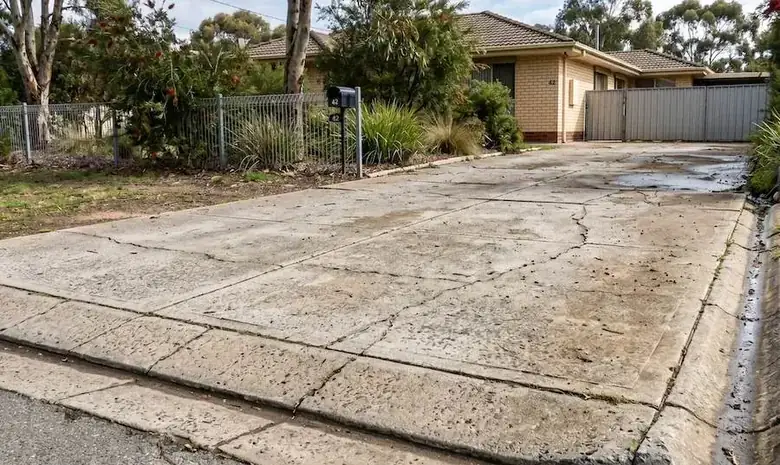
Why Water Causes Problems Beneath Concrete
Concrete performs best when it sits on stable, well-prepared ground. When excess water enters the soil underneath, the base gradually softens and loses strength.
Over time, poor driveway drainage can:
- weaken supporting soil
- create voids beneath the slab
- increase slab movement
- accelerate cracking and surface deterioration
- cause standing water and flooding
Water sitting on the surface can also contribute to staining, algae growth, flaking concrete, and deteriorating joints. These issues often develop gradually, which is why many homeowners do not notice the problem until visible damage appears.
Why Drainage Problems Are Common in Perth
Perth conditions can be particularly hard on concrete driveways. Long hot summers dry out the soil, while winter storms quickly reintroduce moisture into the ground. This constant expansion and contraction places stress on both the slab and the supporting base underneath it.
Properties with reactive or shifting soils are especially vulnerable when drainage is poor. Older homes can also experience flooded driveway drainage issues because runoff management was never properly planned when the driveway was originally built.
| Common Drainage Issue | Potential Long-Term Effect |
|---|---|
| Pooling water | Surface deterioration and staining |
| Water beneath the slab | Sinking and cracking |
| Incorrect falls | Runoff toward the garage or home |
| Blocked drains | Flooding during heavy rain |
| Poor site preparation | Ongoing slab movement |
How Drainage Problems Usually Develop
Poor driveway drainage usually creates damage gradually rather than suddenly. Water affects both the surface of the slab and the supporting ground underneath, which is why drainage problems often worsen over time if ignored.
One of the biggest risks is soil erosion beneath the concrete. Excess water softens the supporting ground and can slowly wash away material underneath the slab. Once support becomes uneven, movement starts developing across the driveway.
This may lead to cracking, sinking sections, tilting slabs, joint separation, or low spots that begin holding water after rain. If the underlying drainage problem is not corrected, surface repairs alone usually fail prematurely because the slab continues moving underneath.
Surface deterioration linked to driveway drainage issues commonly includes widening cracks, flaking concrete, spalling, edge breakdown, damp areas, and staining. Missing or poorly installed driveway drainage grates near garage entries and low points can also allow runoff to collect where it should not.
Standing water is often one of the clearest signs that drainage is no longer working properly. Water should move away from the driveway surface reasonably quickly after rain. When it does not, moisture continues entering the slab and the soil underneath, which gradually increases long-term damage.
Common Signs of Driveway Drainage Issues
Driveway drainage problems usually develop gradually. In many cases, the warning signs appear months or even years before major cracking or sinking becomes obvious. The earlier these issues are identified, the easier it usually is to prevent larger structural repairs later.
Some drainage problems appear directly on the concrete itself, while others show up in the surrounding ground, nearby landscaping, or around the garage entry. Many homeowners focus only on visible cracks without realising the underlying moisture problem is still active underneath the slab.
Standing Water and Poor Surface Runoff
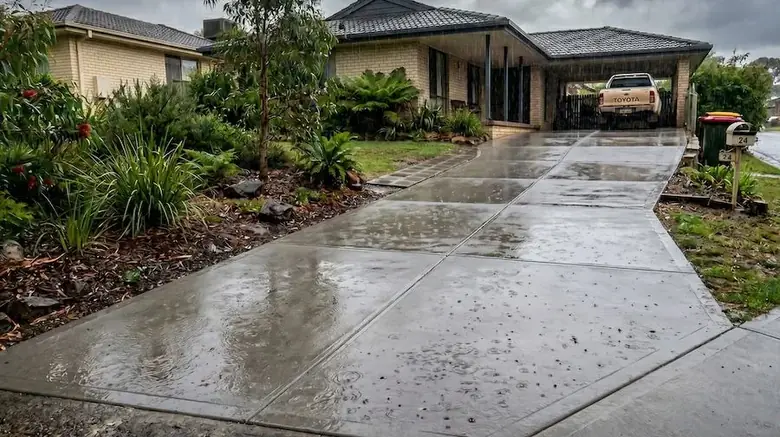
One of the earliest signs of poor driveway drainage is water remaining on the surface long after rainfall has stopped. A properly installed concrete driveway should direct water away efficiently using consistent falls and controlled runoff points.
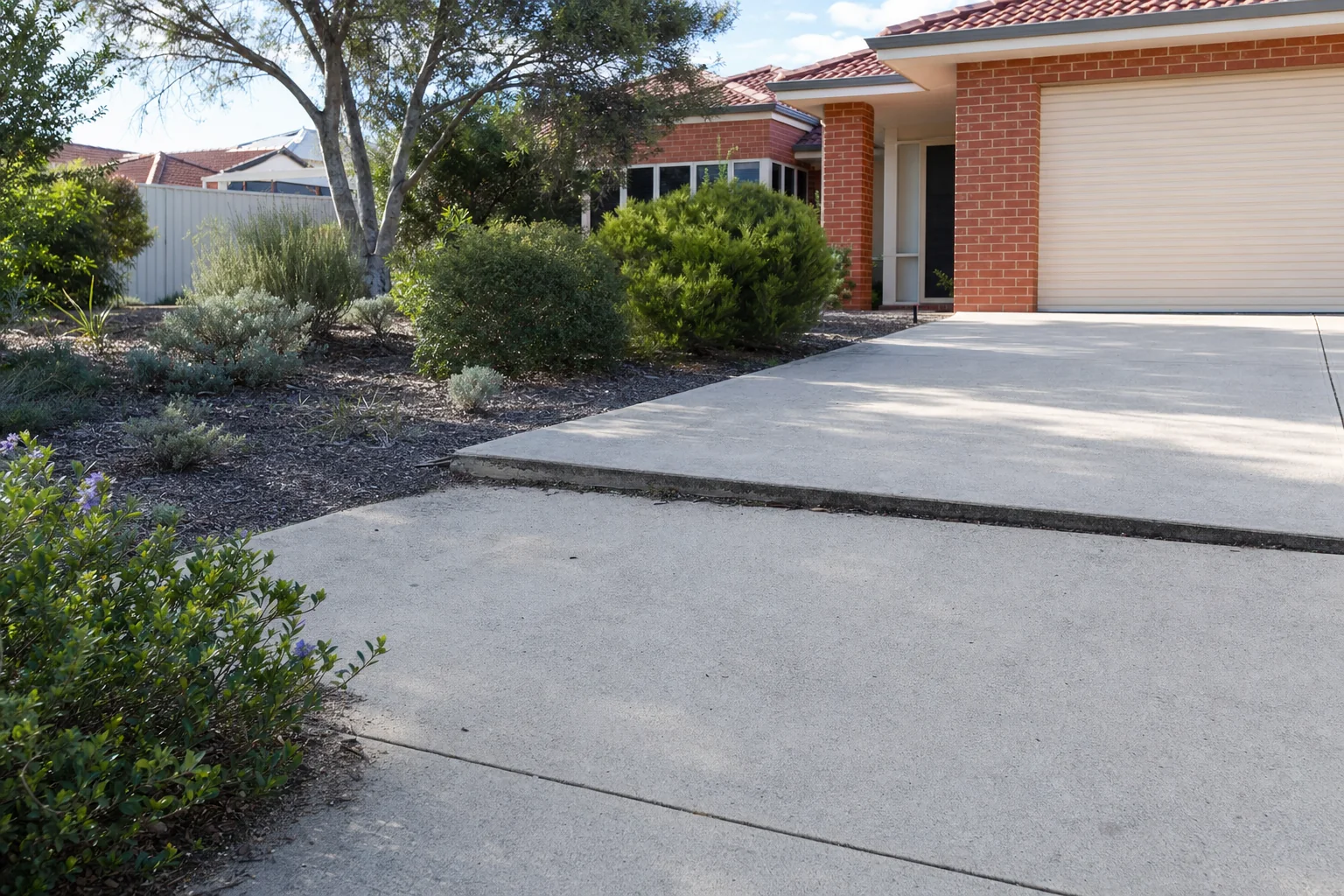
If water repeatedly pools in the same locations, it often points to low spots in the slab, incorrect driveway falls, blocked drainage channels, or movement underneath the concrete that has altered the original surface levels.
Common warning signs include puddles forming near garage entries, water flowing back toward the house, overflowing drainage grates during storms, or damp patches that never seem to fully dry out.
Even shallow standing water can become a long-term problem because moisture slowly enters joints, small cracks, and the soil beneath the slab over repeated wet and dry cycles.
Cracking, Movement, and Surface Deterioration
As excess moisture weakens the supporting ground underneath the driveway, the slab often begins showing signs of stress and movement. This usually develops gradually rather than all at once.
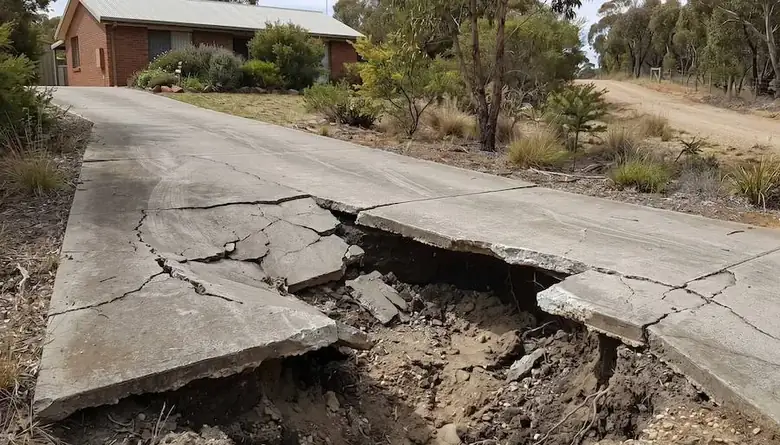
Concrete damage linked to drainage problems commonly includes:
- widening cracks
- sinking or uneven slab sections
- tilting concrete panels
- flaking or spalling surfaces
- joint separation
- edge erosion
- staining and discolouration
Cracks that continue widening over time are often a sign that movement underneath the slab is still active. Surface patch repairs usually fail prematurely if the underlying drainage issue is not corrected first.
In Perth conditions, reactive soil movement combined with poor water management can place additional stress on concrete slabs during seasonal expansion and contraction.
Signs of Water Escaping Into Surrounding Areas
Driveway drainage problems do not always stay contained to the slab itself. Runoff that is not being controlled properly often spreads into surrounding parts of the property.
Soft ground beside the driveway, washed-out garden beds, exposed aggregate base material, moss growth, or erosion near slab edges can all indicate excess water escaping from the driveway area.
Blocked or undersized driveway drainage grates may also cause stormwater to overflow into pathways, garage entries, retaining walls, or neighbouring properties during heavy rain.
When these issues are ignored for too long, water can continue undermining the surrounding ground and eventually contribute to larger slab movement and more expensive repairs.
Common Causes of Driveway Drainage Problems
Most driveway drainage problems start with poor water management during the original installation. In many cases, the issue develops underneath the slab long before visible cracking or sinking appears.
Incorrect falls, poor site preparation, and inadequate drainage systems are some of the most common causes of long-term concrete movement and water pooling.
| Common Cause | How It Creates Drainage Problems |
|---|---|
| Incorrect driveway slope | Allows water to pool or flow back toward the garage or home |
| Poor site preparation | Weakens the supporting ground once moisture enters underneath the slab |
| Blocked or missing drains | Prevents runoff from draining away during rain |
| Undersized stormwater systems | Causes overflow during heavy rainfall |
| Large non-permeable concrete areas | Creates excess surface runoff that must be managed properly |
| Blocked drainage grates | Restricts water flow and increases surface flooding |
Done properly, driveway drainage should be planned before the concrete is poured rather than treated as a temporary fix later. Correct falls, proper compaction, and controlled runoff all play a major role in how well a driveway holds up over time in Perth conditions.
Drainage Solutions for Concrete Driveways
Good driveway drainage involves both surface water control and underground moisture management. The right solution depends on the slope of the property, soil conditions, and how water moves across the site during rain.
Long-term results usually come from correcting the source of the problem rather than patching visible damage only.
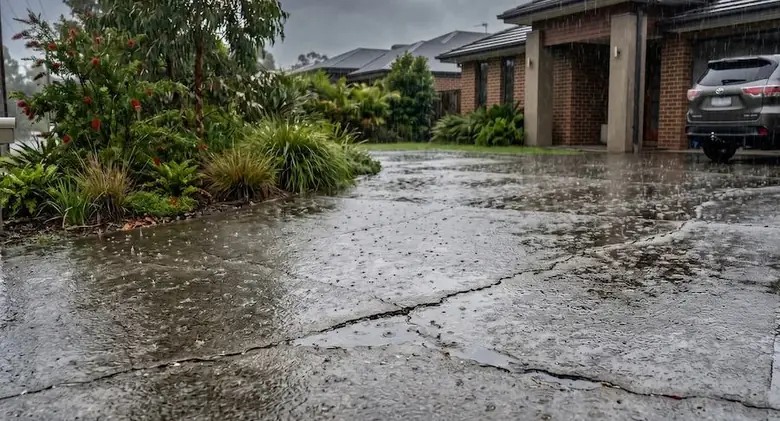
Proper Grading and Fall
One of the most important parts of driveway drainage is getting the levels right from the beginning. A properly graded driveway allows water to move away naturally without excessive pooling or runoff.
Removing low spots and correcting incorrect falls can often solve recurring water problems that surface repairs alone cannot fix.
Channel Drains and Driveway Drainage Grates
Channel drains are commonly installed near garage entries, low points, or sloped sections where runoff naturally collects. Water enters through driveway drainage grates before being redirected into stormwater systems or approved drainage areas.
Done properly, these systems help reduce pooling water, surface erosion, and garage flooding.
Soak Wells and Subsurface Drainage
Some properties also require underground drainage systems to control moisture beneath the slab. Soak wells and subsurface drainage are often useful where soil drains poorly or water regularly builds up below the driveway.
Managing underground moisture is just as important as removing surface water.
Crack Repairs and Concrete Sealing
Crack repairs help reduce water penetration into the slab, while sealing can provide additional protection against moisture and staining.
However, repairs usually last longer when the underlying driveway drainage issue has also been corrected. Otherwise, movement beneath the slab may continue causing damage over time.
Why Proper Driveway Installation Matters
Many driveway drainage problems are not caused by the concrete itself. They usually begin underneath the slab during the original installation process. Incorrect levels, poor compaction, inadequate drainage planning, or weak sub-base preparation can all create movement and water issues that may not become visible until years later.
A concrete driveway is only as stable as the ground supporting it. If water is allowed to collect beneath the slab, the supporting soil gradually weakens, which increases the risk of cracking, sinking, and uneven movement over time.
Drainage Needs to Be Planned Before the Pour
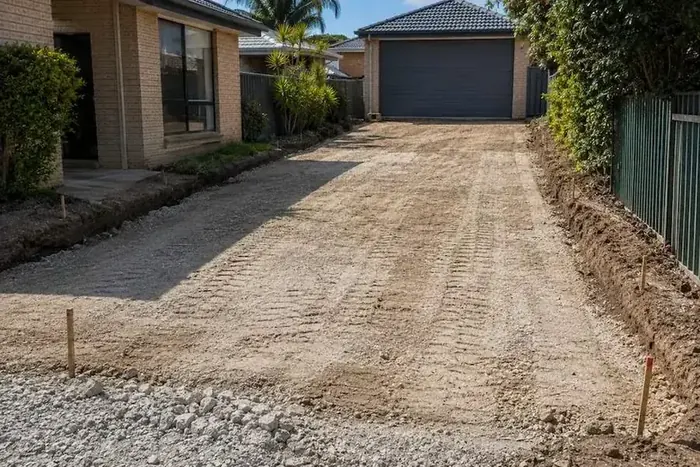
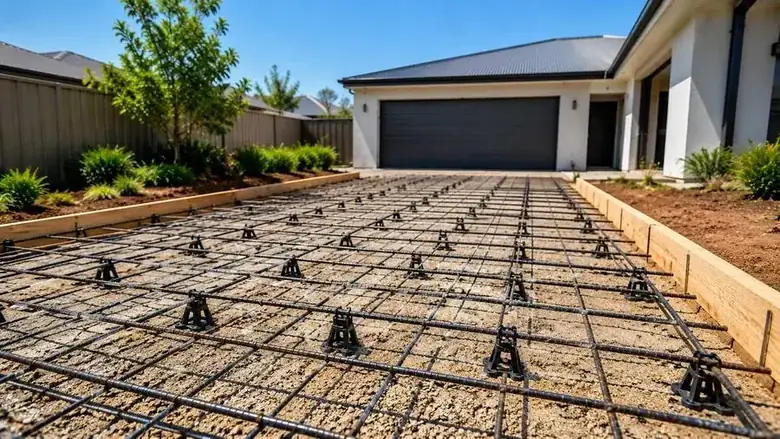
Proper driveway drainage starts well before any concrete is poured. The excavation depth, site grading, compaction, and sub-base preparation all affect how water moves around and underneath the slab long-term.
Correct driveway falls are especially important. Even well-finished concrete can develop drainage problems if the surface levels are too flat or direct runoff toward the house instead of away from it.
Depending on the property, proper drainage planning may also include channel drains, driveway drainage grates, soak wells, or stormwater connections to control runoff during heavy rain.
Once the slab is poured, correcting hidden base or drainage problems often becomes far more expensive because the concrete itself may need to be removed to properly fix the underlying issue.
Building for Perth Soil and Weather Conditions
Perth driveways need to handle a combination of hot summers, winter storms, reactive soils, and regular vehicle loads. These conditions place ongoing stress on both the slab and the supporting ground underneath it.
Long dry periods can cause soil shrinkage, while heavy rainfall quickly reintroduces moisture into the ground. This repeated expansion and contraction increases the likelihood of slab movement if drainage and preparation are not handled properly from the start.
Good driveway installation takes the entire site into account, including slope, runoff direction, soil conditions, vehicle use, and surrounding structures. Proper driveway installation and drainage should comply with relevant Australian standards.
Frequently Asked Questions
Most driveway drainage problems are caused by incorrect falls, poor site preparation, blocked drains, or water collecting in low areas. In some cases, underground soil movement also contributes to ongoing drainage issues.
Common signs include standing water after rain, expanding cracks, uneven concrete, damp areas, or water flowing toward the garage instead of away from it.
Yes. Water can weaken the soil underneath the slab and create movement beneath the concrete. Over time, this often leads to cracking, sinking, or uneven sections.
Yes. Driveway drainage grates should be kept clear of leaves, dirt, and debris so water can flow properly during rain.
In some cases, yes. Minor issues may be improved with drainage corrections, channel drains, or localised repairs. More severe slab movement may require larger repair work.
Getting the Drainage Right
Driveway drainage problems often begin underneath the slab long before major cracking or sinking becomes visible. Poor water management can weaken the supporting ground, create movement, and shorten the lifespan of the driveway.
Proper preparation, correct falls, and reliable drainage systems all help improve long-term durability and reduce future repair costs. If you need help with repairing a damaged driveway or planning drainage for driveway construction, Perth Concrete Driveways can provide practical advice and a no-obligation quote for your property. Get in touch with us today.
Covered in this guide
Perth Concrete Driveways
Perth's concrete driveway specialists. Free quotes across the metro area. Last updated 6 June 2026.