By the Perth Concrete Driveways team
Published 26 May 2026 · Updated 1 June 2026
AI Overview
Not every crack is a problem, but widening or structural cracks point to a cause that needs fixing before any repair will hold. Hairline shrinkage cracks are usually cosmetic, while cracks from base or drainage issues need the underlying problem addressed. Catching cracks early keeps repairs cheap.
Key highlights
- Hairline shrinkage cracks are usually cosmetic
- Widening or structural cracks need proper attention
- Many cracks trace back to base or drainage problems
- Fix the cause, not just the surface
- Early repair is far cheaper than a rebuild
- A sound slab can often be repaired, not replaced
Summarise with AI
Concrete driveway crack repair becomes necessary when cracks begin widening, sections of the slab start moving, water enters beneath the concrete, or the driveway becomes uneven and unsafe. While small hairline cracks are common in concrete, larger or worsening cracks usually point to movement underneath the slab that should not be ignored.
Understanding when driveway crack repair becomes necessary helps homeowners avoid more expensive structural problems later, especially when driveway cracks begin spreading or worsening over time.
Key Points
- Small driveway cracks are often cosmetic
- Widening cracks may require driveway crack repair
- Soil movement and drainage problems are common causes
- Water entering cracks can worsen slab movement
- Heavy vehicles place extra stress on concrete driveways
- Proper preparation helps reduce future cracking
- Some repairs are temporary while others are long-term
Are All Driveway Cracks a Problem?
Not every crack in the driveway means the slab is failing. Concrete naturally expands, contracts, and shrinks over time, especially under Perth conditions where heat, UV exposure, and dry ground movement place additional stress on driveways.
Some driveway cracks remain small and stable for years, while others gradually worsen as the ground underneath shifts or weakens. The important part is identifying whether the crack is simply cosmetic or whether proper driveway crack repair is needed.
Hairline Cracks vs Structural Cracks
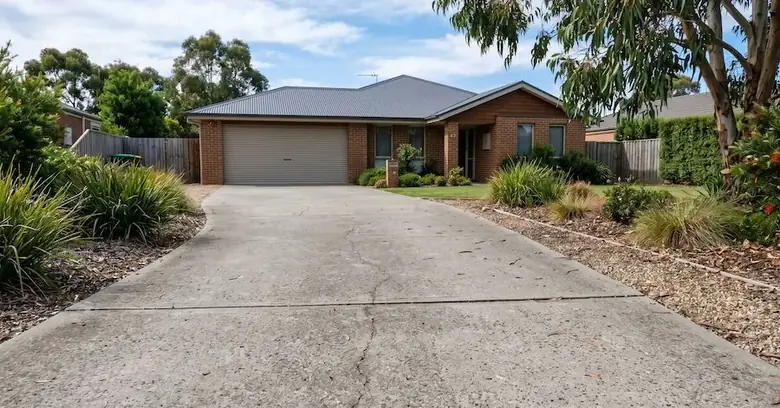
Hairline cracks are usually thin surface cracks caused by shrinkage during curing or minor movement within the slab. These are often cosmetic and may not require immediate repair.
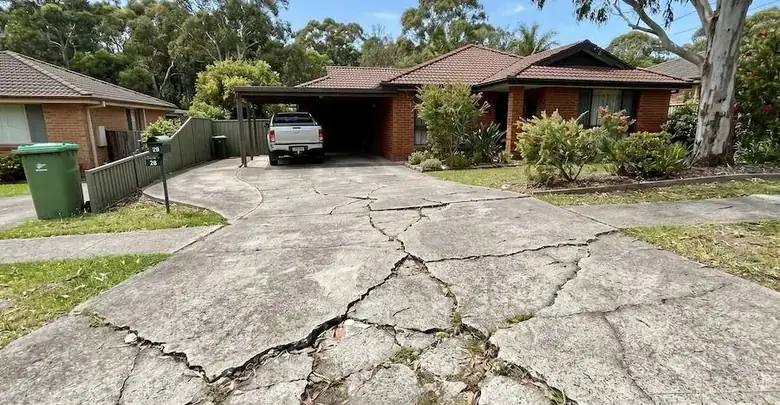
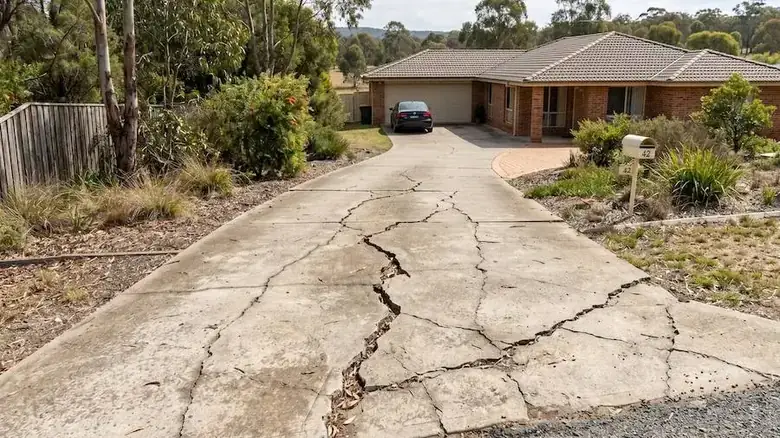
Structural cracks are different. Wider cracks, uneven slabs, sinking sections, or cracks that continue widening over time can indicate deeper movement underneath the driveway.
| Type of Crack | Typical Cause | Level of Concern |
|---|---|---|
| Hairline cracks | Shrinkage during curing | Usually cosmetic |
| Settlement cracks | Ground movement or poor compaction | Moderate concern |
| Structural cracks | Slab movement or failed support | High concern |
When Small Cracks Are Usually Cosmetic
Small driveway cracks are often considered cosmetic when:
- the crack remains narrow
- the slab stays level
- there is no ongoing movement
- water is not entering underneath
- the crack is not widening over time
Minor cracks commonly appear during the curing process and may remain stable for many years.
Signs a Crack May Be Getting Worse
Some driveway cracks gradually become more serious as movement underneath the slab continues.
Common warning signs include:
- widening cracks
- uneven slab levels
- repeated cracking after repairs
- water pooling near damaged sections
- cracks spreading across multiple areas
- sinking or lifting concrete
What Causes Driveway Cracks?
Most driveway cracks are caused by movement or stress within the slab. In many cases, the visible crack is only the symptom while the real issue exists underneath the concrete itself. Understanding what caused the cracking helps determine which concrete driveway crack repair options are likely to work long-term.
| Cause | How It Leads to Driveway Cracks |
|---|---|
| Reactive Soil Movement | Many Perth properties sit on reactive soils that expand when wet and shrink during dry weather. This movement places stress underneath the slab and gradually contributes to driveway cracks over time. |
| Poor Drainage | Water pooling around the driveway can soften the supporting ground beneath the slab. As the soil weakens and shifts, cracking often becomes more severe. |
| Poor Site Preparation | Poor compaction, soft spots beneath the slab, loose fill, or unstable foundations can eventually cause movement and cracking throughout the driveway surface. |
| Shrinkage During Curing | Concrete naturally shrinks while curing as moisture evaporates from the slab. If the concrete dries too quickly or contains too much water in the mix, surface cracking becomes more likely. |
| Heavy Vehicle Loads | Driveways carrying caravans, trailers, delivery trucks, or work vehicles experience greater stress than standard residential traffic. Without suitable slab thickness and reinforcement, driveway cracks can develop much earlier. |
Signs You Need Driveway Crack Repair
Not all cracks require immediate attention, but some signs indicate the driveway is continuing to move or deteriorate underneath the surface. This is usually the point where driveway crack repair becomes necessary rather than simply monitoring the crack over time.
| Problem | What It Usually Means |
|---|---|
| Cracks widening over time | Usually caused by ongoing soil movement or slab stress. |
| Uneven or sunken concrete | May indicate slab movement underneath the driveway. |
| Water entering through cracks | Can weaken the supporting soil and worsen movement. |
| Repeated cracking after repairs | Often means the underlying issue was never fixed. |
| Edge cracking | Common near corners and unsupported slab edges. |
| Trip hazards and safety issues | Large cracks and uneven slabs can become dangerous. |
Common Concrete Driveway Crack Repair Options
The best driveway crack repair method depends on what caused the crack in the first place. Some repairs are mainly cosmetic while others address deeper structural movement underneath the slab.
Understanding the available concrete driveway crack repair options helps homeowners decide whether repair or replacement is the more practical solution.
| Repair Option | Best Used For | Long-Term Outcome |
|---|---|---|
| Crack sealing | Small cosmetic cracks | Short to medium term |
| Epoxy or polyurethane repair | Stable structural cracks | Medium to long term |
| Concrete resurfacing | Surface deterioration | Cosmetic improvement |
| Partial slab replacement | Localised structural failure | Long-term solution |
| Full driveway replacement | Major structural movement | Best long-term outcome |
Crack Sealing
Crack sealing is commonly used for small driveway cracks that are stable and no longer actively moving. The main goal is to help stop water, dirt, and debris from entering the crack and causing further deterioration over time. This type of driveway crack repair is usually best suited to cosmetic surface cracking rather than major structural movement underneath the slab.
Epoxy or Polyurethane Repairs
Epoxy and polyurethane repairs are often used for more stable cracks where the concrete remains mostly level and structurally sound. These materials help bond sections of concrete together while improving strength and reducing further moisture penetration. This type of concrete driveway crack repair is commonly used when visible cracking needs attention, but full slab replacement is not yet necessary.
Concrete Resurfacing
Concrete resurfacing is sometimes used when a driveway has widespread cosmetic cracking, surface wear, or an aged appearance. While resurfacing may improve the look of the driveway, it usually will not fix deeper structural movement or unstable ground conditions underneath the slab.
Partial Slab Replacement
Some driveway crack repairs involve removing and replacing only the damaged sections of concrete rather than rebuilding the entire driveway. This approach may work well when cracking or movement is isolated to a smaller section and the surrounding slabs remain stable.
When Full Replacement Is More Practical
In some situations, full driveway replacement provides better long-term value than repeated driveway crack repair work.
This is often recommended when multiple sections of the driveway are moving, structural cracking is widespread, or the original slab was not built properly for long-term conditions.
- multiple slabs are moving
- drainage problems are severe
- the driveway lacks proper reinforcement
- the slab is too thin
- widespread structural cracking is present
Can You Repair Driveway Cracks Yourself?
Some minor driveway cracks can be repaired using DIY crack fillers or sealants available from hardware stores. These products may help reduce water penetration and improve appearance temporarily, especially for small cosmetic cracks.
However, DIY repairs usually work best when:
- the crack is stable
- the slab remains level
- movement underneath has stopped
- drainage problems are not present
More serious cracking often requires identifying the underlying cause first. Simply filling a crack without correcting the movement underneath the slab usually results in the crack returning later.
Homeowners searching for how to repair a crack in the driveway often focus only on the visible surface damage. In many cases, long-term driveway crack repair depends more on fixing the underlying movement than the crack itself.
How to Prevent Future Driveway Cracks
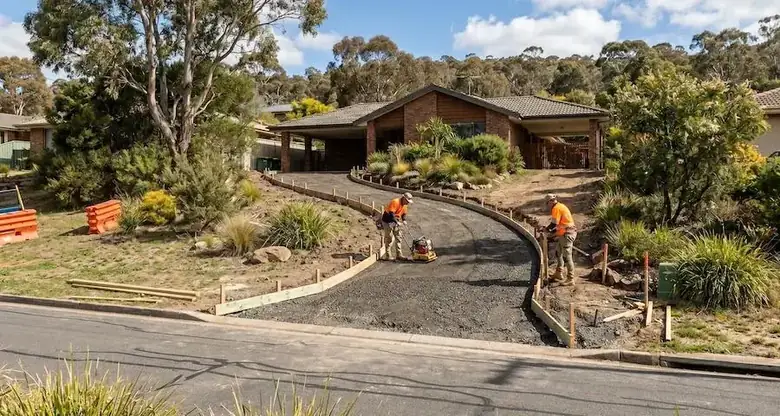
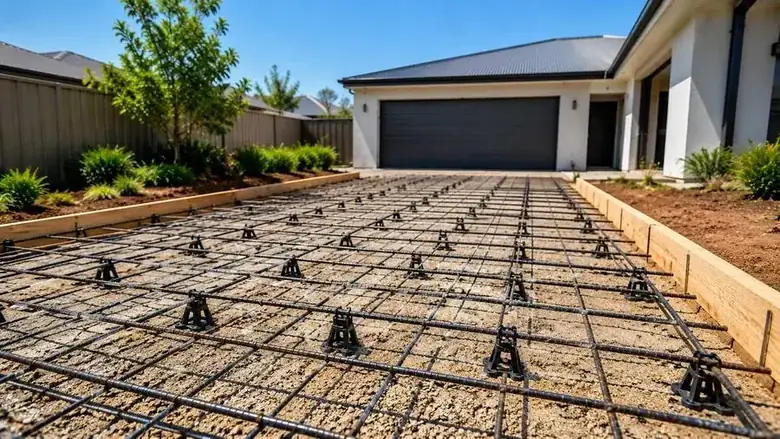
While some minor cracking is normal, proper installation greatly reduces the likelihood of major structural problems later. Site preparation, according to the standards of the National Construction Code, is the key to the longevity of any concrete slab.
Most serious driveway crack repair issues are linked to poor preparation, drainage problems, weak reinforcement, or slabs that were not designed properly for the conditions.
| Prevention Method | Why It Matters |
|---|---|
| Proper site preparation | Helps reduce ground movement underneath the slab. |
| Correct reinforcement | Distributes stress and improves slab stability. |
| Suitable concrete thickness | Provides better durability under heavier vehicle loads. |
| Proper joint placement | Helps control natural concrete movement and cracking. |
| Good drainage | Protects the supporting soil from moisture-related movement. |
| Proper concrete curing | Improves strength and reduces early shrinkage cracking. |
Frequently Asked Questions
Most driveway cracks are caused by soil movement, poor drainage, weak ground preparation, shrinkage during curing, or heavy vehicle loads.
Yes. Small hairline cracks are common in concrete and are often cosmetic rather than structural.
Yes. If the underlying cause is ongoing soil movement, drainage problems, or slab failure, driveway cracks can gradually widen and become more serious.
The best driveway crack repair method depends on the cause of the cracking. Some situations only require sealing, while others may involve slab replacement or drainage correction.
Professional assessment is usually recommended if cracks are widening, slabs are uneven, water is entering underneath, or previous repairs have failed.
Proper driveway crack repair starts with identifying why the crack formed in the first place. Repairing the surface alone may not solve the underlying problem.
Common concrete driveway crack repair options include crack sealing, epoxy repairs, resurfacing, slab replacement, and drainage correction.
What to Do About Driveway Cracks
Some driveway cracks are minor and cosmetic, while others point to movement underneath the slab that can gradually worsen over time. Widening cracks, uneven concrete, drainage issues, and repeated cracking after repairs are usually signs that proper driveway crack repair is needed.
Most serious driveway crack repairs are linked to poor site preparation, unstable ground conditions, drainage problems, or slabs that were not built properly for long-term use. Identifying the underlying cause is the most important part of choosing the right repair method and preventing the problem from returning.
If you need driveway crack repair or other services, Perth Concrete Driveways provides practical advice, inspections, and fixed-price quotes for Perth homeowners. Get in touch with us today.
Covered in this guide
Perth Concrete Driveways
Perth's concrete driveway specialists. Free quotes across the metro area. Last updated 1 June 2026.