By the Perth Concrete Driveways team
Published 18 June 2026
AI Overview
Old concrete from a driveway demolition is heavy, bulky and best recycled rather than sent to landfill. Most Perth concrete can be crushed and reused as road base, which is cheaper and better for the environment. Knowing your disposal options up front helps you budget a driveway replacement accurately.
Key highlights
- Old driveway concrete is heavy and needs proper disposal planning
- Most concrete can be crushed and recycled as road base
- Recycling is usually cheaper than landfill
- Rebar and mesh are separated out during recycling
- Disposal cost depends on volume and access
- Factor removal and disposal into a replacement budget
Summarise with AI
When an old driveway is removed, the concrete doesn’t simply disappear. It needs to be broken up, transported, processed, and either recycled or disposed of through approved facilities. For most homeowners, understanding how concrete disposal works can provide a clearer picture of what happens during a driveway replacement project and what costs may be involved.
The good news is that much of the concrete removed from residential driveways in Australia can be recycled and reused in future construction projects. Knowing how the process works can help you compare quotes, understand where your old driveway is going, and make informed decisions before work begins.
Understanding Proper Concrete Disposal
- Most old driveway concrete can be recycled rather than sent to landfill.
- Concrete disposal is an important part of any driveway replacement project.
- Steel reinforcement is usually separated and recycled.
- Recycled concrete is commonly used in road construction and sub-base materials.
- Concrete waste disposal costs depend on material volume, site access, and transport requirements.
- Proper disposal of concrete helps prepare the site for a new driveway.
- Most concrete disposal in Perth involves recycling facilities rather than landfill sites.
Why Concrete Disposal Matters
Many homeowners focus on the new driveway but give little thought to what happens to the old one. However, concrete disposal is a significant part of the replacement process and can affect costs, site preparation, and environmental outcomes.
A residential driveway can contain several tonnes of concrete. Once demolition begins, all of that material needs to be removed and managed correctly before construction of the new driveway can proceed.
Old Driveways Generate Significant Waste
Concrete is designed to last for decades. While this durability is a major advantage, it also means that replacing a driveway creates a substantial amount of waste material.
Proper concrete waste disposal helps reduce pressure on landfill facilities and allows valuable materials to be reused. It also ensures the site can be cleared efficiently and prepared for the next stage of construction.
Disposal Is Part of the Driveway Replacement Process
Demolition, removal, and concrete disposal are closely connected. Before a new driveway can be installed, the old slab must be completely removed and the site prepared correctly.
If waste concrete disposal is not handled properly, it can create issues with:
- Site levels
- Drainage
- Base preparation
- Construction access
For this reason, the disposal of concrete should be viewed as an important construction step rather than simply a waste removal task.
What Happens After an Old Driveway Is Demolished?
Once demolition is complete, the concrete goes through several stages before reaching its final destination. These stages help determine whether the material can be recycled, reused, or needs to be disposed of through approved waste facilities.
While homeowners may only see trucks removing material from site, a significant amount of processing happens after the driveway leaves the property.
Breaking Up and Removing the Concrete
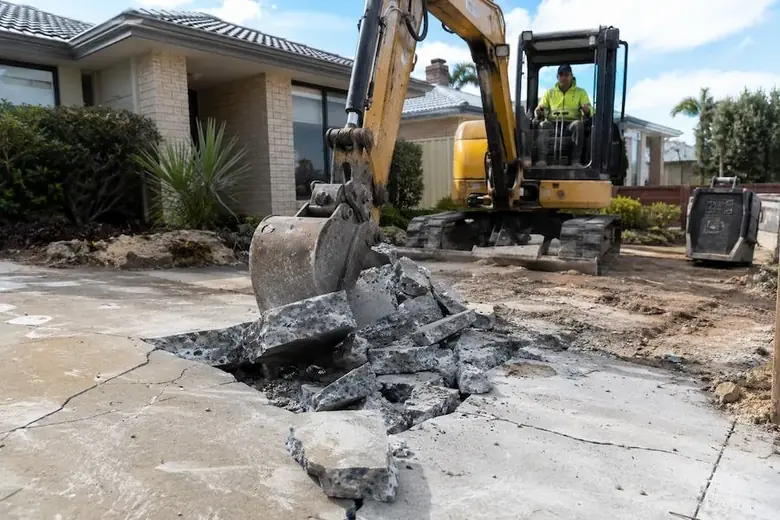
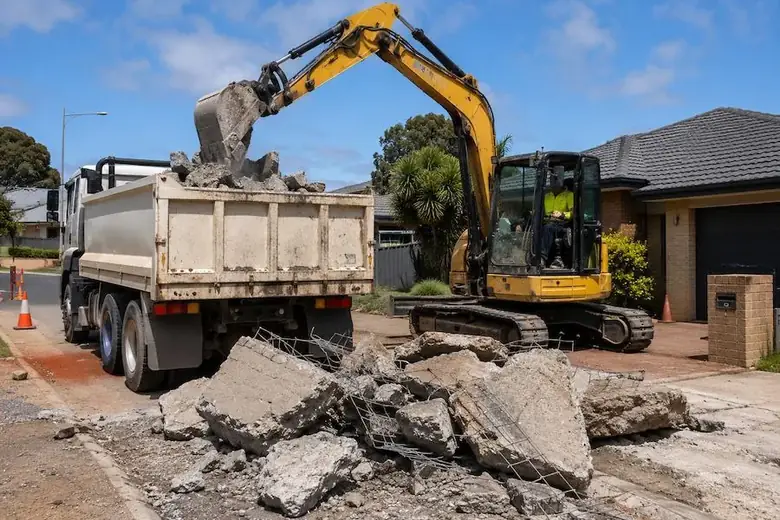
The first step involves breaking the driveway into manageable sections using demolition equipment. The concrete is then loaded onto trucks and removed from the site.
During demolition, contractors often uncover conditions that were not visible from the surface, including poor base preparation, drainage issues, or deteriorated reinforcement. Identifying these problems early helps ensure the replacement driveway is built on a suitable foundation.
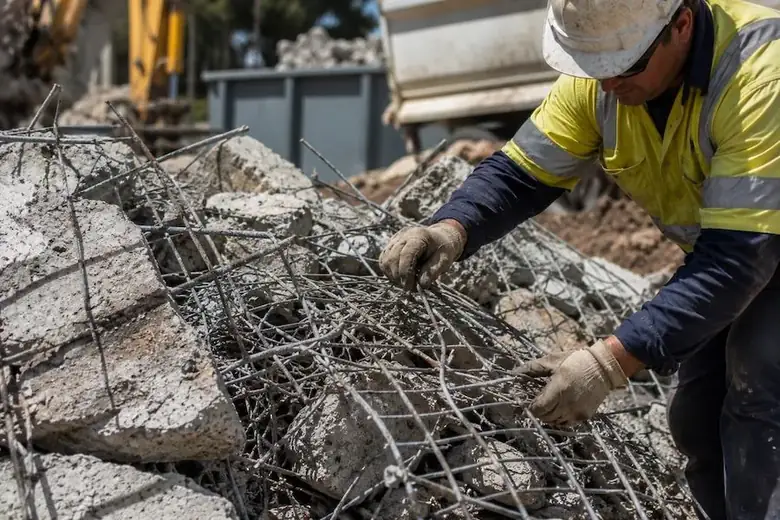
Separating Steel Reinforcement
Many driveways contain reinforcing mesh or steel bars. These materials are typically separated from the concrete after removal.
Steel can be recycled independently, while the remaining concrete is processed through recycling or disposal facilities. This separation helps maximise material recovery and reduce waste.
Transporting the Material
Once removed, the concrete is transported to an approved facility. The destination depends on factors such as contamination levels, material condition, and local recycling options.
For most residential projects, concrete disposal in Perth involves sending clean concrete to recycling facilities where it can be processed for future use.
How Concrete Is Commonly Disposed of in Australia
Most people assume that old concrete ends up in landfill. While landfill remains an option in some situations, recycling has become the preferred outcome for much of the concrete removed from residential properties.
The disposal of concrete generally falls into three categories: recycling, landfill disposal, or reuse on site.
| Disposal Method | Typical Use | Most Common Outcome |
|---|---|---|
| Recycling | Clean concrete from demolition projects | Crushed and reused in construction |
| Landfill | Contaminated or unsuitable material | Sent to approved waste facilities |
| On-Site Reuse | Selected projects with suitable conditions | Used as fill or support material |
Concrete Recycling
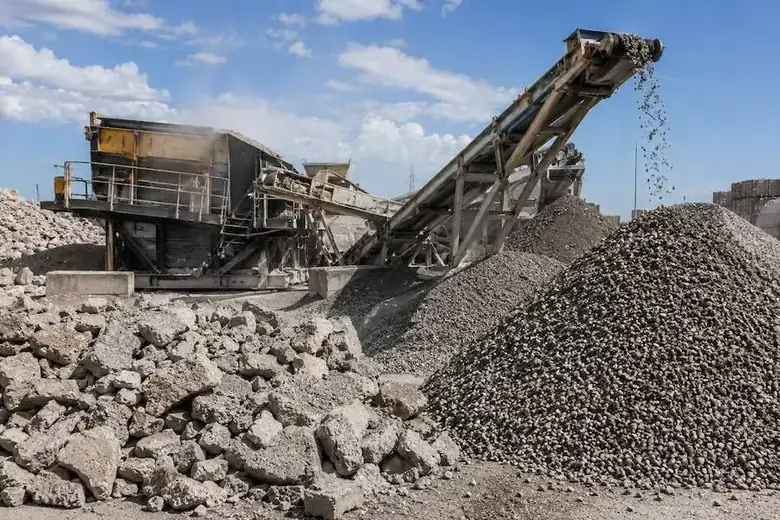
Recycling is the most common form of concrete disposal for residential driveway projects. Rather than treating old concrete as waste, recycling facilities process the material into products that can be used again.
This approach reduces landfill demand while creating useful materials for future construction projects.
How the Recycling Process Works
Once concrete arrives at a recycling facility, it typically goes through several stages.
The material is first inspected and sorted. Any contaminants such as timber, plastic, or general rubbish are removed. Steel reinforcement is separated and recycled independently.
The concrete is then crushed into smaller aggregate sizes and screened according to its intended application.
Where Recycled Concrete Is Used
Many homeowners are surprised to learn that their old driveway may eventually become part of another construction project.
Recycled concrete is commonly used for:
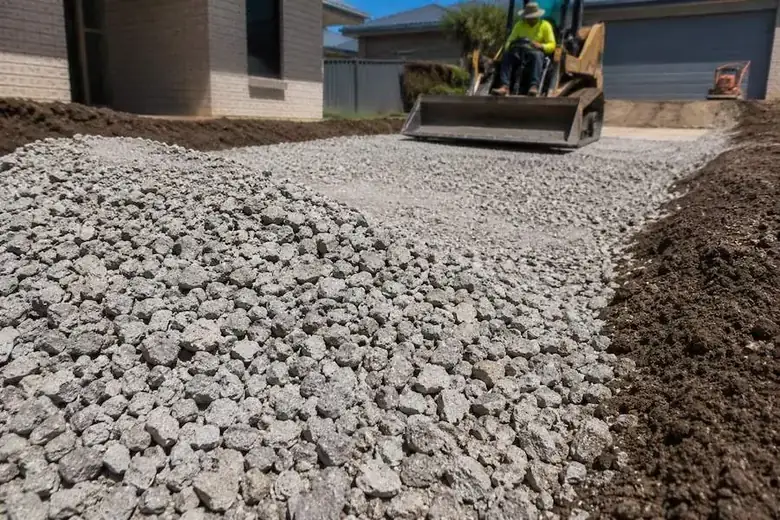
- Road base construction
- Driveway sub-bases
- Car parks
- Civil infrastructure projects
- Commercial developments
This process helps reduce demand for newly quarried materials while supporting sustainable construction practices.
Landfill Disposal
Although recycling is generally preferred, not all concrete can be recycled. Material that contains excessive contamination may need to be sent to an approved landfill or waste facility.
Examples include concrete mixed with unsuitable waste products or material that cannot be processed efficiently through recycling systems.
Landfill is usually considered a last resort because it consumes valuable disposal space and prevents materials from being reused.
Reusing Concrete on Site
In some circumstances, concrete can remain on the property and be reused as part of the project.
This is less common for residential driveways, but may be suitable where crushed material can serve a practical purpose.
Potential uses include:
- Fill material
- Hardstand preparation
- Landscaping applications
- Temporary access tracks
The suitability of on-site reuse depends on site conditions, engineering requirements, and the overall project design.
The Benefits of Recycling Old Concrete
Recycling has become a key part of modern concrete disposal practices throughout Australia. Instead of viewing old driveways as waste, the construction industry increasingly treats concrete as a resource that can be reused.
According to the Concrete Institute of Australia, this benefits communities as it helps reduce greenhouse emissions.
Environmental Benefits
Recycling concrete helps reduce the amount of material entering landfill while conserving natural resources.
Some of the key environmental benefits include:
| Benefit | Why It Matters |
|---|---|
| Reduced Landfill Waste | Less material sent to waste facilities |
| Lower Demand for Quarry Products | Reduces extraction of virgin materials |
| Resource Recovery | Keeps usable materials in circulation |
| Sustainable Construction | Supports environmentally responsible building practices |
For homeowners interested in reducing waste, recycling offers a practical alternative to traditional disposal methods.
Construction Industry Benefits
The benefits of recycling extend beyond environmental considerations.
Processed concrete provides a valuable source of aggregate for road construction, infrastructure projects, and sub-base preparation. This allows construction materials to remain in use long after the original driveway has been removed.
It also supports more efficient waste concrete disposal by creating a productive end use for materials that would otherwise require disposal.
What Affects Concrete Disposal Costs?
One of the most common questions homeowners ask is how much concrete disposal costs. While every project is different, several factors have a direct impact on pricing.
Understanding these factors can help when comparing quotes and planning a driveway replacement project.
Driveway Size and Weight
The amount of concrete being removed is usually the biggest cost factor.
Larger driveways generate more material, which increases demolition time, labour requirements, transport costs, and disposal fees. Because concrete is extremely heavy, even relatively small driveways can produce several tonnes of waste.
Site Access
Access conditions can significantly influence project costs.
Properties with limited access may require smaller equipment, additional labour, or more truck movements to remove material from the site.
Factors that can affect access include narrow driveways, steep gradients, existing structures, and landscaping features.
Reinforcement and Material Type
Some driveways contain extensive reinforcement that requires additional separation during processing.
The condition of the material can also affect disposal costs. Clean concrete is generally easier and more economical to recycle than material mixed with other waste products.
Transport and Facility Charges
Once the material leaves the property, transport and processing costs become part of the equation.
These costs can vary depending on travel distance, facility requirements, material volume, and disposal or recycling fees charged by the receiving facility.
Why Professional Concrete Disposal Matters
Concrete disposal involves far more than breaking up a slab and loading it onto a truck. Proper removal requires planning, specialised equipment, and an understanding of how the site will be prepared for the next stage of construction.
Choosing experienced contractors helps ensure the process runs smoothly and that the site is ready for a new driveway.
Safety Considerations
Concrete is heavy, difficult to handle, and often reinforced with steel.
Demolition and removal work involves machinery, lifting equipment, trucks, and active construction areas. Proper safety procedures help minimise risks to workers, property, and surrounding areas.
Proper Equipment and Disposal Methods
Professional contractors have access to equipment designed specifically for demolition and removal work.
This may include excavators, breakers, loaders, and tipper trucks capable of handling large volumes of material efficiently. They also understand the requirements of recycling facilities and waste management sites.
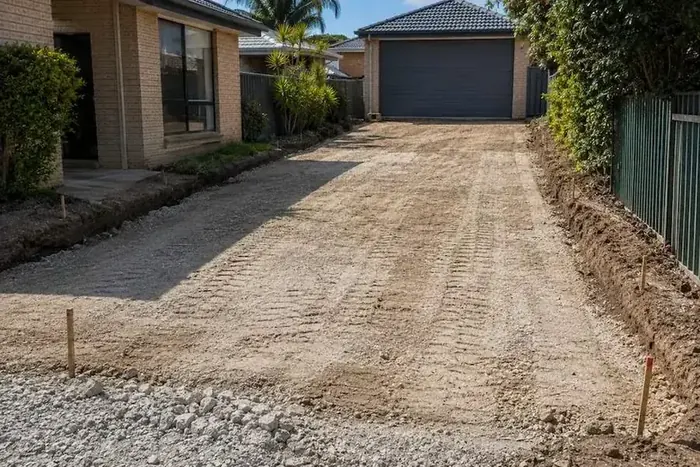
Preparing the Site for a New Driveway
The goal is not simply to remove the old driveway. The site must also be left in a condition that allows proper construction of the replacement driveway.
Effective concrete disposal helps create a clean, stable foundation for base preparation, drainage improvements, reinforcement placement, and new concrete installation. A well-prepared site gives the new driveway the best chance of performing well for years to come.
Questions Homeowners Should Ask Before Driveway Demolition
Before work begins, it’s worth understanding exactly how demolition, removal, and concrete disposal will be handled. Not all quotes include the same scope of work, and asking a few practical questions can help avoid confusion later.
A good contractor should be able to explain the process clearly and provide straightforward answers about concrete waste disposal, transport, recycling, and site preparation.
Is Concrete Disposal Included in the Quote?
One of the first questions to ask is whether concrete disposal is included in the quoted price.
Some contractors include demolition, removal, transport, and disposal fees as part of a complete package, while others may list them separately. Understanding what is included helps you compare quotes accurately and avoid unexpected costs.
Will the Concrete Be Recycled?
Many homeowners want to know what happens to the material once it leaves the property.
Asking whether the concrete will be recycled can provide insight into how the contractor approaches waste management and sustainability. In many cases, clean concrete can be processed and reused rather than being sent to landfill.
Are Transport and Disposal Fees Included?
Transport is often a significant part of the disposal of concrete process.
The cost of moving several tonnes of material from a residential property to a recycling or waste facility can vary depending on location, access, and material volume. Confirming whether these costs are included in the quote can help prevent surprises.
Are There Any Additional Charges?
It is also worth asking whether there are any circumstances that could result in extra costs.
Examples may include unexpected site conditions, additional material removal, or contamination that affects waste concrete disposal requirements. Clear communication at the start of a project helps establish realistic expectations for both parties.
Common Misconceptions About Concrete Disposal
Concrete disposal is often misunderstood, particularly by homeowners who have never replaced a driveway before. Several common misconceptions can create unrealistic expectations about costs, recycling opportunities, and the demolition process.
Understanding the facts can make it easier to plan a project and evaluate contractor recommendations.
All Old Concrete Goes to Landfill
This is one of the most common assumptions.
While some material may require landfill disposal, a large proportion of concrete removed from residential driveways can be recycled. Modern concrete disposal practices focus on recovering usable materials wherever possible.
For many projects, recycling facilities play a much larger role than landfill sites.
Recycled Concrete Has No Practical Use
Some people assume recycled concrete is inferior or unsuitable for construction.
In reality, recycled aggregate is widely used throughout Australia for road base, civil works, infrastructure projects, and sub-base preparation. The recycling process allows old concrete to continue serving a useful purpose long after the original driveway has been removed.
Concrete Disposal Is a Simple DIY Job
Removing a concrete driveway is often more complex than homeowners expect.
Concrete is extremely heavy, reinforced slabs can be difficult to break apart, and transporting large volumes of material requires suitable vehicles and equipment. Professional concrete waste disposal helps ensure the work is completed safely and efficiently while preparing the site for future construction.
Frequently Asked Questions
Clean concrete removed during driveway demolition can often be crushed and processed into recycled aggregate. This material is commonly reused in road construction, civil works, and driveway sub-bases.
This depends on the contractor and the scope of work provided. Some quotes include demolition, removal, transport, and concrete disposal, while others may separate these items. Always ask for clarification before accepting a quote.
Steel reinforcement is typically separated from the concrete during processing. The steel is recycled through metal recycling facilities, while the concrete is sent for recycling or disposal depending on its condition.
Depending on the project requirements, crushed concrete may be suitable for fill applications, hardstand preparation, landscaping projects, or temporary access areas. The suitability of reuse depends on site conditions and intended use.
The amount varies based on the size and thickness of the driveway. Even a standard residential driveway can generate several tonnes of material, which is why proper planning for concrete disposal is an important part of any replacement project.
Why Proper Concrete Disposal Matters
Concrete disposal is an important part of replacing an old driveway. Once demolition is complete, the material must be removed, transported, and processed appropriately. In many cases, the concrete can be recycled and reused rather than sent to landfill, making it a practical and sustainable option.
Understanding how concrete disposal works helps homeowners make informed decisions about driveway replacement, compare quotes more effectively, and better understand what happens after demolition. It also highlights the role that recycling plays in reducing construction waste and supporting future building projects.
Whether you’re planning a driveway replacement now or simply researching the process, understanding concrete disposal, concrete waste disposal, disposal of concrete, waste concrete disposal, and concrete disposal in Perth can help you approach the project with greater confidence. If you need assistance with concrete driveway services, get in touch with us today.
Covered in this guide
Perth Concrete Driveways
Perth's concrete driveway specialists. Free quotes across the metro area. Last updated 18 June 2026.