
By the Perth Concrete Driveways team
Published 8 July 2026
AI Overview
Keeping a concrete driveway clean comes down to regular rinsing, occasional pressure washing and treating stains early before they set. Oil, algae and general grime each need a slightly different approach, and a sealed driveway is far easier to keep looking new. Harsh acids can damage the surface, so gentler methods win.
Key highlights
- Rinse regularly and pressure wash occasionally to stop grime building up
- Treat oil and grease stains as soon as they happen
- Remove algae and moss with a gentle, driveway-safe method
- A sealed driveway cleans up far more easily
- Avoid harsh acids that damage the surface and seal
- Reseal every few years to protect the finish
Summarise with AI
Concrete driveway cleaning is one of the simplest ways to keep your driveway looking good and performing well for years. In Perth, concrete is exposed to dust, UV, oil stains, tyre marks, gum leaves, and winter moisture, all of which can affect its appearance over time. Regular maintenance helps prevent staining, improves safety, and reduces the need for costly repairs or restoration work later.
Whether you have plain concrete or exposed aggregate, the same principles apply: clean stains early, maintain the surface regularly, and use the right cleaning methods for the problem you’re dealing with.
Keeping Things Clean
- Clean spills before they have time to soak into the concrete.
- Pressure cleaning is effective for removing dirt, grime, algae, and tyre marks.
- Cleaning oil off a concrete driveway is easier when the stains are fresh.
- Cleaning the concrete driveway mould early helps prevent slippery surfaces.
- Sealing concrete can help reduce future staining.
- Routine maintenance is usually easier and cheaper than major restoration work.
Why Concrete Driveway Cleaning Matters
Many homeowners only think about cleaning a concrete driveway once stains become obvious. By that point, contaminants may already have penetrated the surface, making them more difficult to remove.
Concrete contains small pores that absorb oil, dirt, moisture, and organic matter. Over time, these contaminants can affect both the appearance and condition of the driveway. Regular concrete driveway cleaning helps minimise staining while keeping the surface safer and easier to maintain.
Protects Your Concrete Investment
A properly constructed driveway is built to last, but neglecting maintenance can shorten its lifespan. Dirt, oil, algae, and moisture can gradually affect the surface if left untreated.
Routine concrete driveway cleaning helps:
- Reduce long-term staining
- Minimise moisture retention
- Maintain the appearance of the surface
- Support long-term durability
Small maintenance tasks performed consistently often deliver better results than occasional intensive cleaning.
Improves Safety Around Your Home
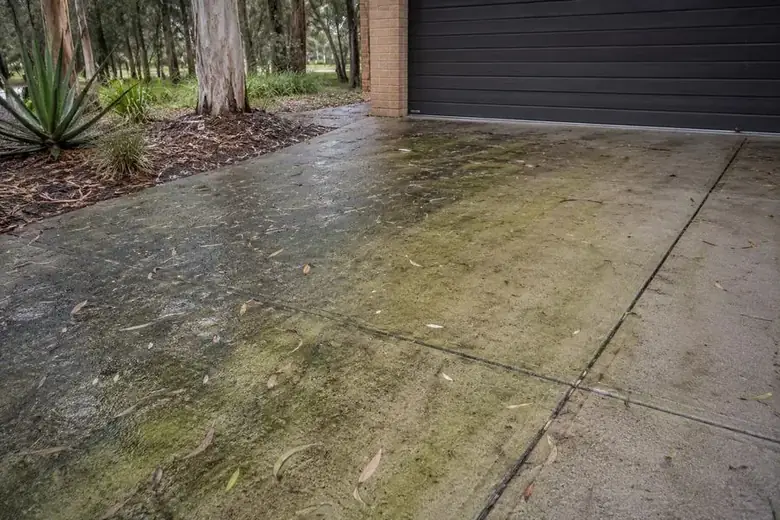
Algae, mould, and moss can create slippery surfaces, particularly during Perth’s wetter months. Areas that receive limited sunlight are often the most affected. Cleaning concrete driveway mould before it spreads helps reduce slip hazards and keeps the driveway safer for family members, visitors, and tradespeople.
Improves Street Appeal
The driveway is one of the first things people notice when approaching a property. A clean driveway can make a home look well-maintained, while stains and discolouration can have the opposite effect.
Many homeowners are surprised by the difference thorough concrete driveway cleaning can make. Removing years of accumulated grime often restores much of the driveway’s original appearance.
Common Causes of Concrete Driveway Stains in Perth
Different stains require different cleaning methods. Understanding what caused the stain is often the first step towards choosing the right solution.
Perth’s climate creates several common driveway cleaning challenges, from oil contamination to algae growth and organic staining.
| Stain Type | Common Cause | Difficulty to Remove |
|---|---|---|
| Oil and grease | Vehicle leaks and maintenance | Moderate to High |
| Tyre marks | Vehicle movement and braking | Moderate |
| Algae and mould | Moisture and shade | Moderate |
| Tannin stains | Gum leaves and organic debris | Moderate |
| Dust and dirt | Perth’s dry climate | Low |
Oil and Grease Stains
Oil stains are among the most common reasons homeowners search for advice about concrete driveway cleaning.
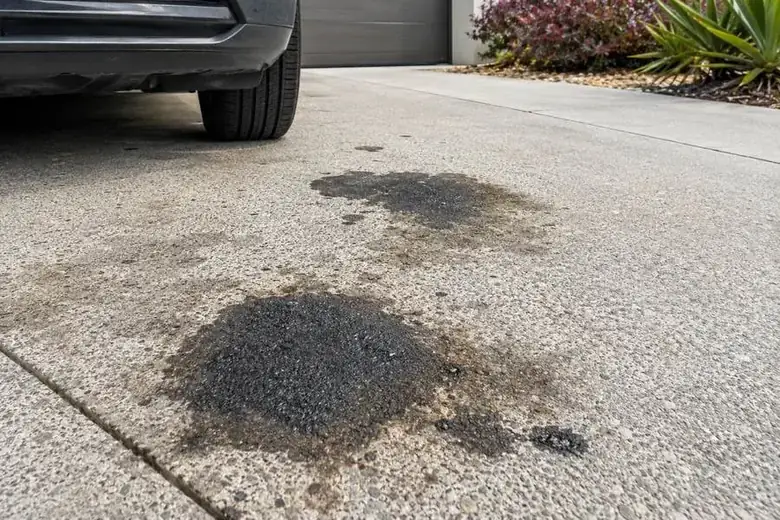
Engine oil, transmission fluid, grease, and other automotive products can quickly penetrate concrete. The longer these contaminants remain on the surface, the harder they become to remove.
Cleaning oil off a concrete driveway is usually most successful when action is taken quickly after a spill occurs.
Algae, Mould and Moss
Although Perth is known for its dry climate, shaded areas often retain moisture during winter. This creates ideal conditions for algae and mould growth.
These contaminants not only affect appearance but can also make the surface slippery when wet. Cleaning concrete driveway mould as soon as it appears is generally much easier than dealing with widespread growth later.
Dust, Dirt and Tyre Marks
Perth’s dry summers contribute to dust accumulation on concrete surfaces. Combined with vehicle traffic, this can leave driveways looking dull and discoloured.
Tyre marks are particularly noticeable on lighter-coloured concrete and often require more than simple washing to remove effectively.
Gum Leaves and Organic Debris
Many Perth properties are surrounded by native trees. While these provide shade, they can also contribute to staining.
Leaves and organic debris release tannins that can discolour concrete when left in place for extended periods. Regular sweeping helps minimise this issue.
Before You Start Cleaning Your Driveway
Preparation plays a major role in achieving good cleaning results. Spending a few minutes preparing the area often saves considerable time later. A systematic approach also helps prevent damage to surrounding areas and ensures stains receive the attention they need.
Clear the Area
Remove vehicles, bins, outdoor furniture, and any other obstacles before beginning.
Once the area is clear, thoroughly sweep the driveway to remove loose dirt, leaves, and debris. This makes it easier to identify stains and prevents dirt from turning into mud during the cleaning process.
Inspect the Surface
Before starting any concrete driveway cleaning, take time to identify the types of stains present.
Look for:
- Oil and grease stains
- Algae or mould growth
- Tyre marks
- Tannin staining
- Areas of heavy dirt build-up
Follow Basic Safety Precautions
Most driveway cleaning tasks are straightforward, but safety should always come first. Wear gloves, eye protection, and enclosed footwear. According to Safework Australia, in wet conditions, the preferred material of the shoes should be urethane or rubber. If using a pressure cleaner or chemical cleaning product, follow the manufacturer’s instructions carefully. Protect nearby garden beds and landscaping where necessary, particularly when using degreasers or mould treatments.
DIY Concrete Driveway Cleaning Methods
Not every driveway stain requires professional equipment. For light to moderate contamination, several household cleaning methods can be effective when matched to the type of stain.
| Cleaning Method | Best For | How to Use It |
|---|---|---|
| Baking soda | Light oil stains and grease marks | Wet the area, apply baking soda, scrub with a stiff-bristle brush, then rinse thoroughly. Repeat if needed. |
| Dishwashing detergent | Fresh oil and grease stains | Apply detergent to the stain, scrub thoroughly, and rinse with clean water. |
| Washing soda | General dirt, light grease, and surface discolouration | Mix with hot water, apply to the surface, scrub with a stiff brush, and rinse. |
| Kitty litter or absorbent material | Fresh oil spills | Cover the spill immediately and allow the material to absorb the oil before sweeping away. |
These methods work best on fresh or lightly embedded stains. Older stains may require multiple treatments, specialised cleaning products, or pressure cleaning to achieve the desired result.
How to Remove Oil Stains From a Concrete Driveway
Oil stains often require more effort than other types of contamination because they penetrate the concrete rather than sitting on the surface. The earlier the treatment begins, the better the chance of achieving a good result.
| Step | What to Do | Why It Matters |
|---|---|---|
| 1. Absorb Fresh Oil | Cover fresh spills with kitty litter, sawdust, or another absorbent material as soon as possible. | Prevents oil from penetrating deeper into the concrete and reduces long-term staining. |
| 2. Apply a Degreaser | Use a concrete degreaser on established stains and allow sufficient dwell time before scrubbing. | Helps break down oil and grease for easier removal. |
| 3. Scrub and Rinse | Scrub with a stiff-bristle brush and rinse thoroughly with clean water. | Removes loosened contamination from the concrete surface. |
Cleaning oil off a concrete driveway may require multiple treatments, particularly when dealing with older stains that have penetrated deeply into the concrete.
Pressure Cleaning a Concrete Driveway
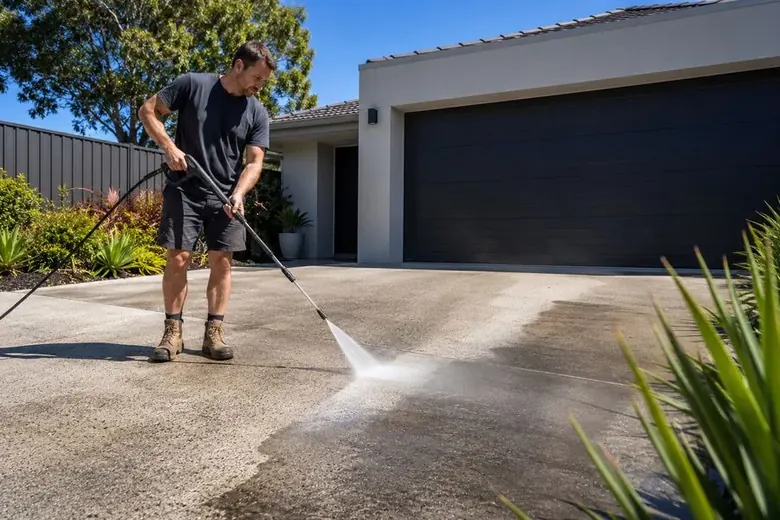
Pressure cleaning is one of the most effective methods of concrete driveway cleaning. It can remove years of built-up dirt, grime, tyre marks, algae, and surface contamination when performed correctly.
However, pressure cleaning works best when stains are treated beforehand rather than relying solely on water pressure to do all the work.
Why Pressure Cleaning Works
Pressure cleaning removes contaminants that ordinary washing often leaves behind. Dirt, algae, mould, tyre marks, and surface staining can build up gradually over time, making the driveway appear older than it actually is.
For homeowners cleaning a stained concrete driveway, pressure cleaning often produces the most noticeable improvement because it removes layers of accumulated contamination rather than simply washing the surface.
Best Practices for Pressure Cleaning
The best results usually come from a methodical approach.
Treat oil stains, algae, and mould before pressure cleaning begins. Work in manageable sections to maintain consistent coverage and avoid missing areas.
Maintaining a consistent distance from the concrete surface is also important. Excessive pressure or poor technique can damage the surface and leave visible marks.
Common Pressure Cleaning Mistakes
Many problems occur when homeowners assume that more pressure automatically means better results.
Using excessive pressure can damage concrete, while holding the nozzle too close may leave permanent marks. Skipping stain treatment is another common mistake, particularly when cleaning a stained concrete driveway with embedded oil or organic staining.
Should You Seal Your Concrete Driveway?
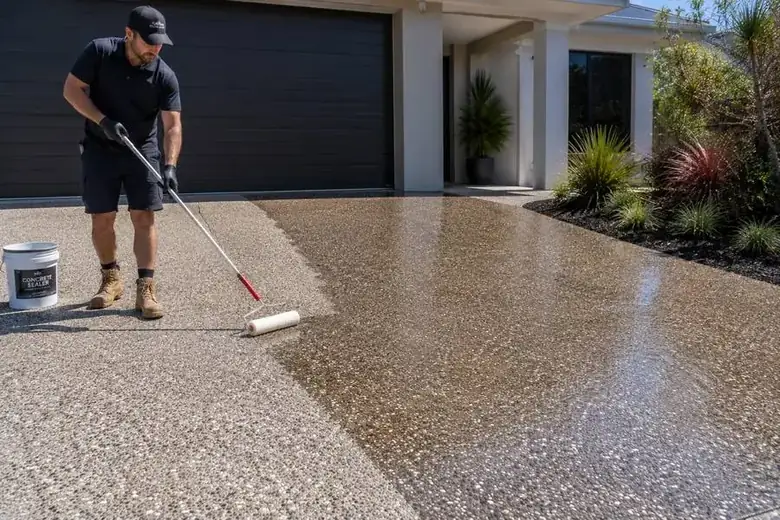
Cleaning removes contaminants, but sealing helps protect the surface afterwards. While sealing is not essential for every driveway, it can make ongoing maintenance easier and reduce future staining.
For many Perth homeowners, sealing is worth considering after a deep clean or when a driveway has recently been installed.

Benefits of Sealing Concrete
A quality sealer helps create a protective barrier that reduces the absorption of oil, moisture, dirt, and organic staining. Benefits can include:
- Easier maintenance
- Reduced staining
- Improved appearance
- Longer-lasting results after concrete driveway cleaning
Sealing does not make concrete stain-proof, but it can make stains easier to remove before they become deeply embedded.
When to Seal a Driveway
Sealing is often worth considering:
- After a deep clean
- Following a new driveway installation
- After stain removal work
- When an existing sealer has worn away
Applying sealer to a clean surface helps maximise its effectiveness.
Long-Term Concrete Driveway Maintenance Tips
Regular maintenance is often the difference between a driveway that ages well and one that develops significant staining. Most maintenance tasks are simple and take very little time when performed consistently.
| Task | Recommended Frequency |
|---|---|
| Sweeping leaves and debris | Weekly or fortnightly |
| General washing | Every few months |
| Inspecting for oil stains | Monthly |
| Cleaning algae or mould | As required |
| Deep pressure cleaning | Every 1 to 2 years |
| Assessing sealer condition | Every few years |
Sweep Regularly
Regular sweeping removes dirt, leaves, bark, and other debris before they have an opportunity to stain the concrete. This is particularly important for homes surrounded by native trees where organic debris can accumulate quickly.
Clean Spills Promptly
When oil, grease, or other contaminants are left on concrete, they begin penetrating the surface almost immediately. Cleaning oil off a concrete driveway becomes more difficult the longer a stain remains untreated. Acting quickly often produces significantly better results.
Address Algae and Mould Early
Small areas of growth are usually much easier to manage than widespread contamination. Cleaning concrete driveway mould when it first appears helps maintain safety and reduces the likelihood of permanent staining.
Perth-Specific Concrete Driveway Cleaning Tips
Perth’s climate presents unique challenges for concrete driveways, from tannin staining and winter algae growth to summer dust and strong UV exposure. The table below highlights common issues and practical maintenance solutions.
| Perth Condition | Potential Issue | Recommended Action |
|---|---|---|
| Native trees and gum leaves | Tannin staining and organic discolouration | Sweep regularly and remove leaves before they remain on the surface for extended periods. |
| Winter moisture and shade | Algae, mould, and slippery surfaces | Inspect shaded areas regularly and clean concrete driveway mould as soon as it appears. |
| Dry summer conditions | Dust build-up and surface discolouration | Sweep frequently and wash the driveway periodically to prevent dirt from becoming embedded. |
| UV exposure and seasonal weather | Surface wear and accelerated ageing | Maintain a regular concrete driveway cleaning schedule and consider sealing for added protection. |
Routine concrete driveway cleaning, prompt stain removal, and occasional sealing can help Perth homeowners maintain a cleaner, safer, and longer-lasting driveway.
When Should You Call a Professional?
Many homeowners successfully handle routine driveway maintenance themselves. However, there are situations where professional assistance may be worthwhile. This is often the case when stains are extensive, cleaning methods have been unsuccessful, or specialised equipment is required.
Stubborn Oil and Grease Stains
Older stains that have penetrated deeply into the concrete can be difficult to remove using household cleaning methods alone. Professional equipment and products may produce better results when cleaning oil off a concrete driveway with long-term staining.
Extensive Algae or Mould Growth
Large areas of algae and mould can be difficult to manage without proper treatment methods. If cleaning concrete driveway mould has become an ongoing issue, it may be worth investigating whether drainage, shade, or moisture retention are contributing factors.
Large Driveways
Pressure cleaning a large driveway can be time-consuming and physically demanding. Professional cleaning may provide a more consistent finish while reducing the time and effort required.
Frequently Asked Questions
Most Perth homeowners benefit from routine sweeping and occasional washing throughout the year. Deep concrete driveway cleaning is often required every one to two years depending on traffic levels, surrounding vegetation, and environmental conditions.
Yes, if excessive pressure or poor technique is used. When performed correctly, pressure cleaning is an effective method for cleaning a concrete driveway without causing unnecessary damage.
Fresh stains are usually easier to remove using absorbent materials followed by degreasing and scrubbing. Older stains may require multiple treatments or professional cleaning oil off a concrete driveway methods.
Reducing moisture retention, improving drainage, removing organic debris, and performing regular maintenance all help minimise growth. Cleaning concrete driveway mould and algae early is usually the simplest approach.
Keep Your Concrete Driveway Looking Its Best
Concrete driveway cleaning is one of the most effective ways to maintain the appearance, safety, and longevity of your driveway. Regular maintenance, prompt stain removal, pressure cleaning when needed, and addressing algae or mould early can prevent many common problems from becoming expensive repairs.
Whether you’re cleaning a stained concrete driveway, cleaning oil off a concrete driveway, or dealing with seasonal dirt and debris, the best results usually come from consistent maintenance rather than waiting until staining becomes severe. Small amounts of attention throughout the year often make a significant difference.
If your driveway needs professional concrete driveway services related to repairs, resealing, or replacement, Perth Concrete Driveways can help. We provide straightforward advice, clear communication, and practical solutions built for Perth conditions. Contact us for a free, no-obligation quote.
Covered in this guide
Perth Concrete Driveways
Perth's concrete driveway specialists. Free quotes across the metro area. Last updated 8 July 2026.